P2: Community Publishing (Shared Publication)
When the late dictator Ferdinand E. Marcos gained control of privately-owned media companies, particularly those critical of his administration, he created a void. It was from this void that the “mosquito press” emerged: small, alternative media outlets with a stinging bite, but nothing that couldn’t be easily swatted — or at least he thought.
– The mosquito press triumphed in the ‘80s. Now what?, Pola del Monte
Beyond art bookstores, which often act as hubs for local communities, publishing institutions and organizations have become some of the most important collaborators and drivers of the publishing ecosystem in Southeast Asia. These organizations, sprouting from within the community, are backed by arts workers and practitioners themselves. In the course of running their ventures, they not only shine light on the possible roads ahead, but also forge an alternative path to mainstream values and discourse – all the while rallying their peers to join them.
– To Make Publicly Known: How Alternative Arts Initiatives Vernacularize through Publishing, by Liu Chao-tze with translation by Joanna Lee
While publishing can act as form of creative self-expression, publishing can also enable communities to organize, connect, and support one and another. From forms of dissent, to economic and political solidarity, to offering support for marginalized groups, publishing can create meaningful material and social bonds.

Detroit Printing Co-Op Bug
In Project 2: Community Publishing, we will explore the ability for publishing to operate on a social level and give a platform to under-represented voices by publishing a work for another designer/artist and/or re-publishing/re-sponding to a text on the topic of your choice.
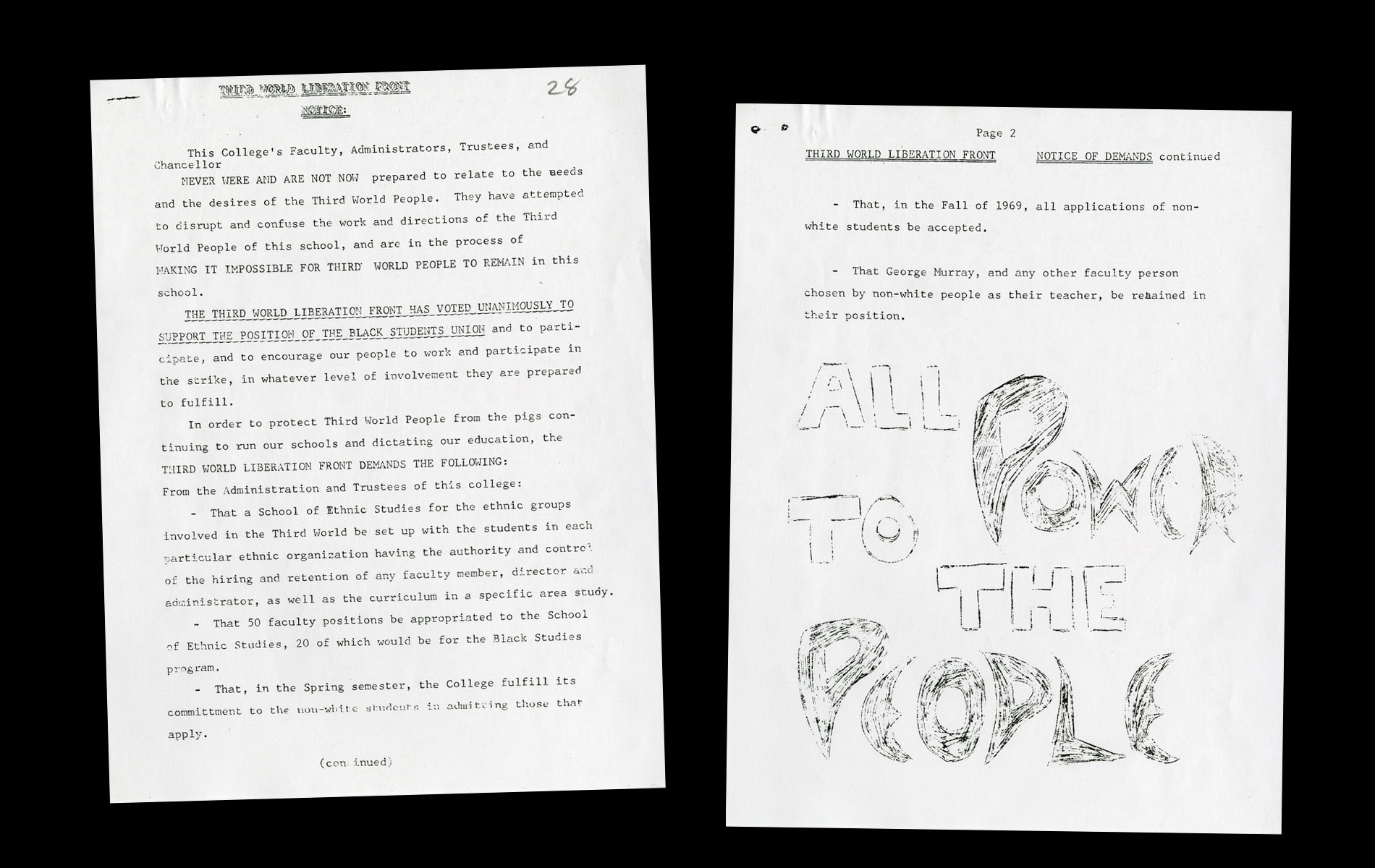
Thirld World Liberation Front Demands to San Francisco State
Historically, Publishing has been a tool for organizing, and is a powerful method to disseminate political and economic thought. Since the mid-twentieth century as printing became more accesible and democratized, in particular, many movements have used newspapers, digital printers, and more recently the web to connect and incubate thought.
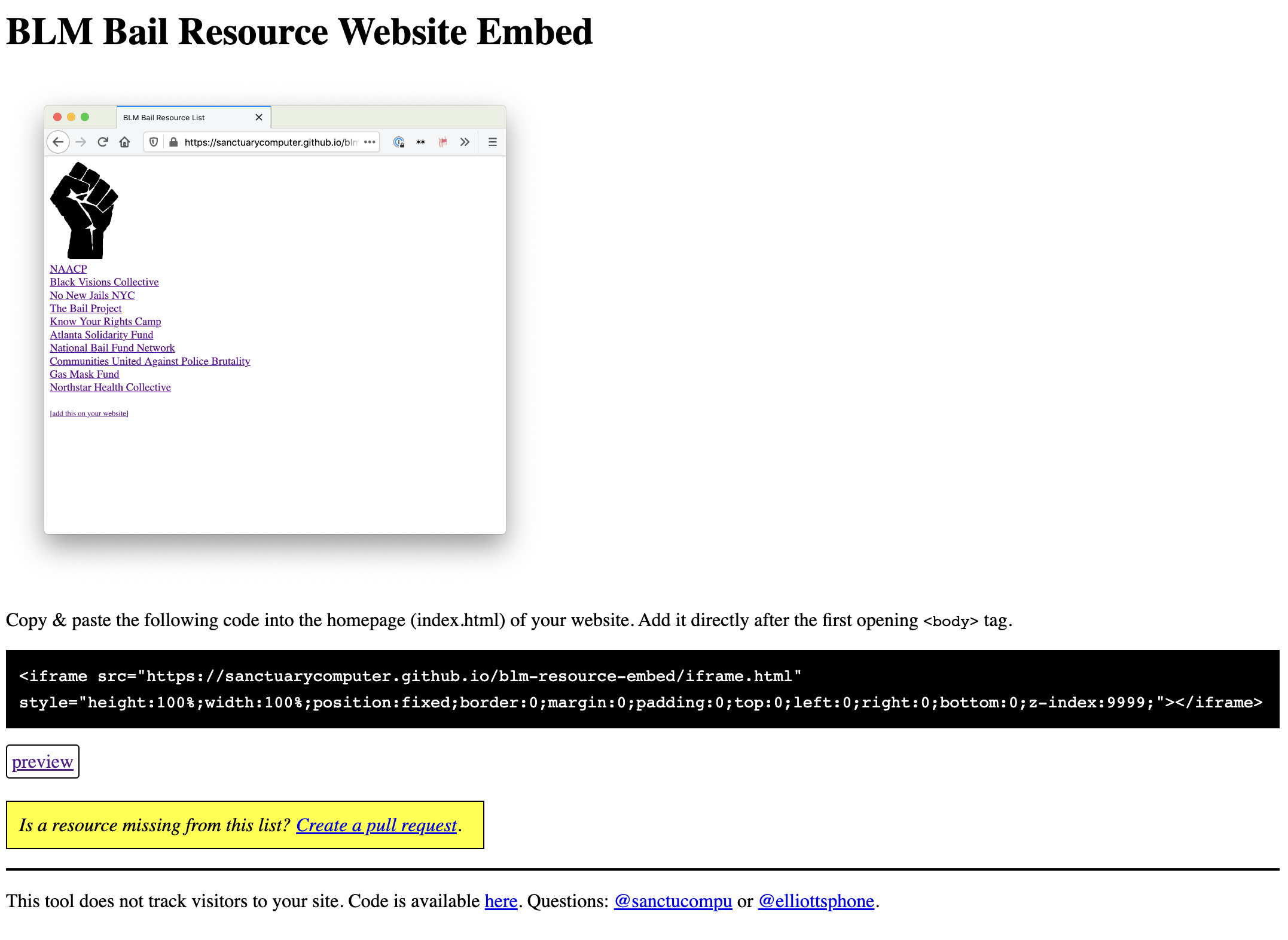
BLM Bail Resource Website Embed
Publishing can also act as both a shield and weapon. From the Mosquito Press in the Phillipines, to the Black Panther newspaper in the US, to Wikileaks publishing of classified US military documents, we can see clearly the protective and empowering potential of publishing.
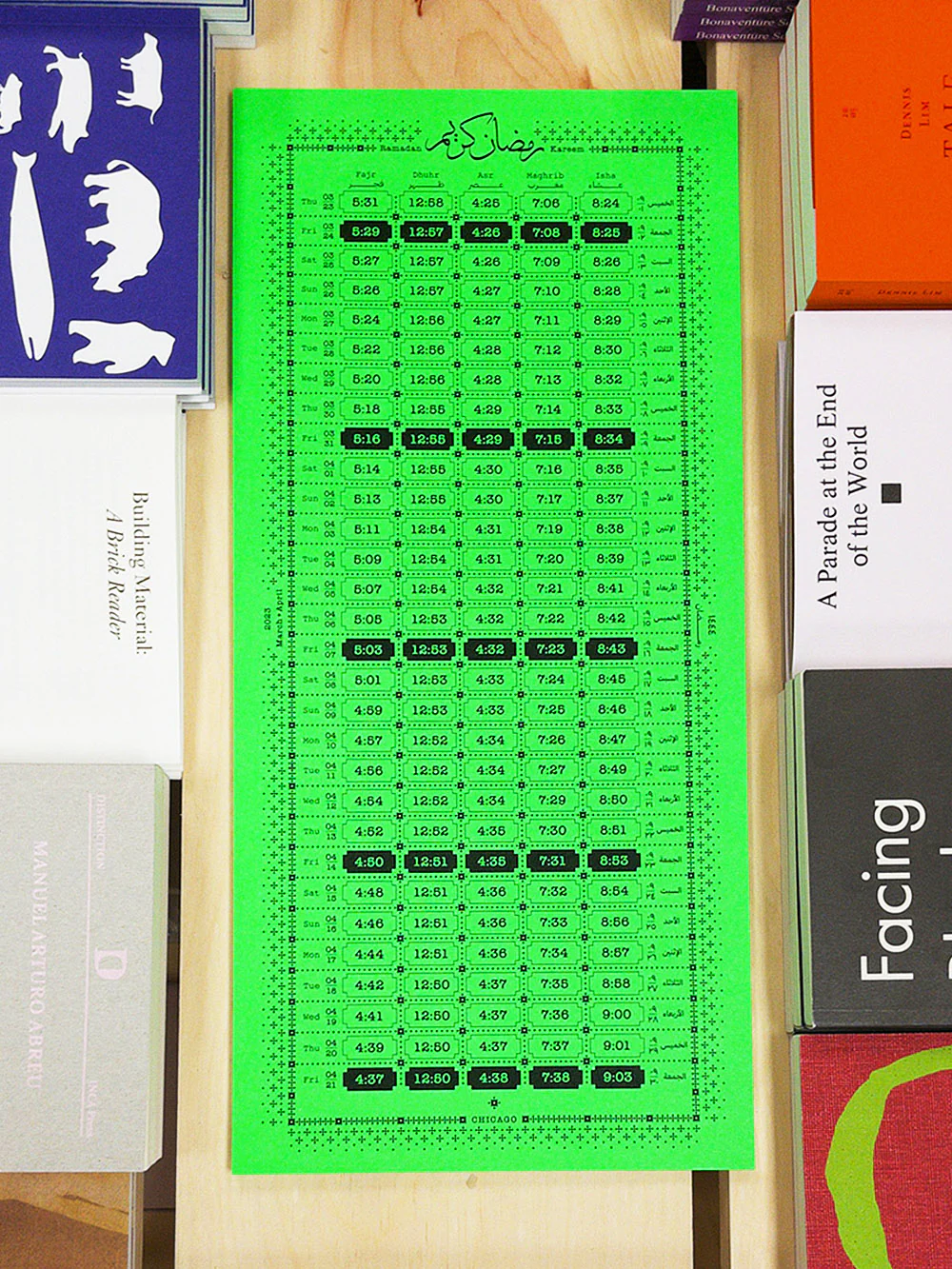
With and without a firm grasp — a Ramadan calendar by Inga and Shiraz Abdullahi Gallab
Publishing can also help support communities that are isolated, marginalized, or otherwise under-represented with the potential to connect religious minorities, queer and non-binary individuals, and those who are differently-abled.
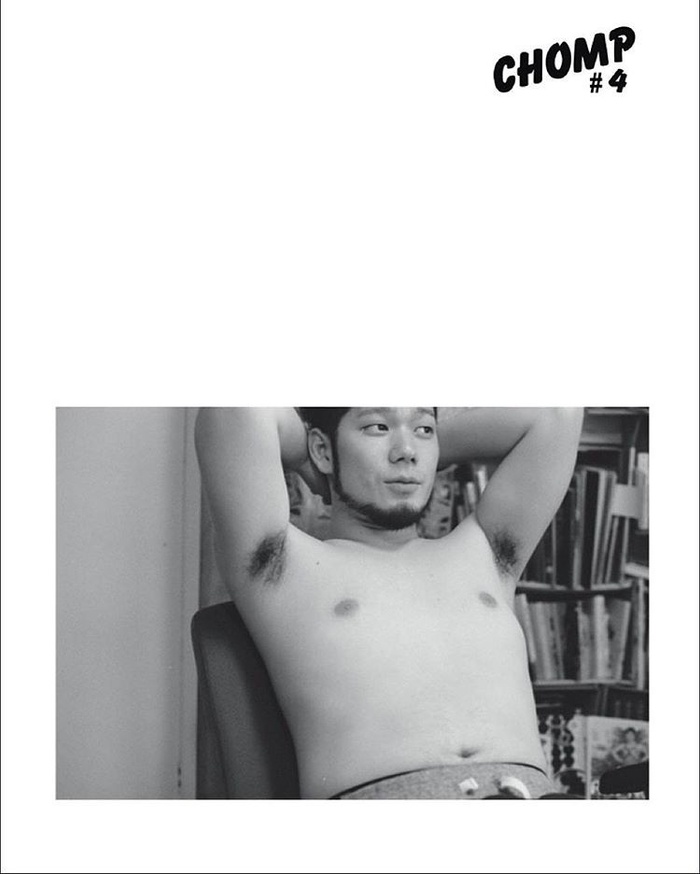
Chomp #4, by Mitsu Sucks
Furthermore, publishing helps incubate and grow new thought in the realm of art and design. From the book fairs industrial complex™ to avant-garde art publications, publishing helps to create infrastructures of mutual aid.
For this project you will reflect on your personal identity, the communities you identify with, and your role as a publisher, to reinterpret someone else's work in the form of a publication.
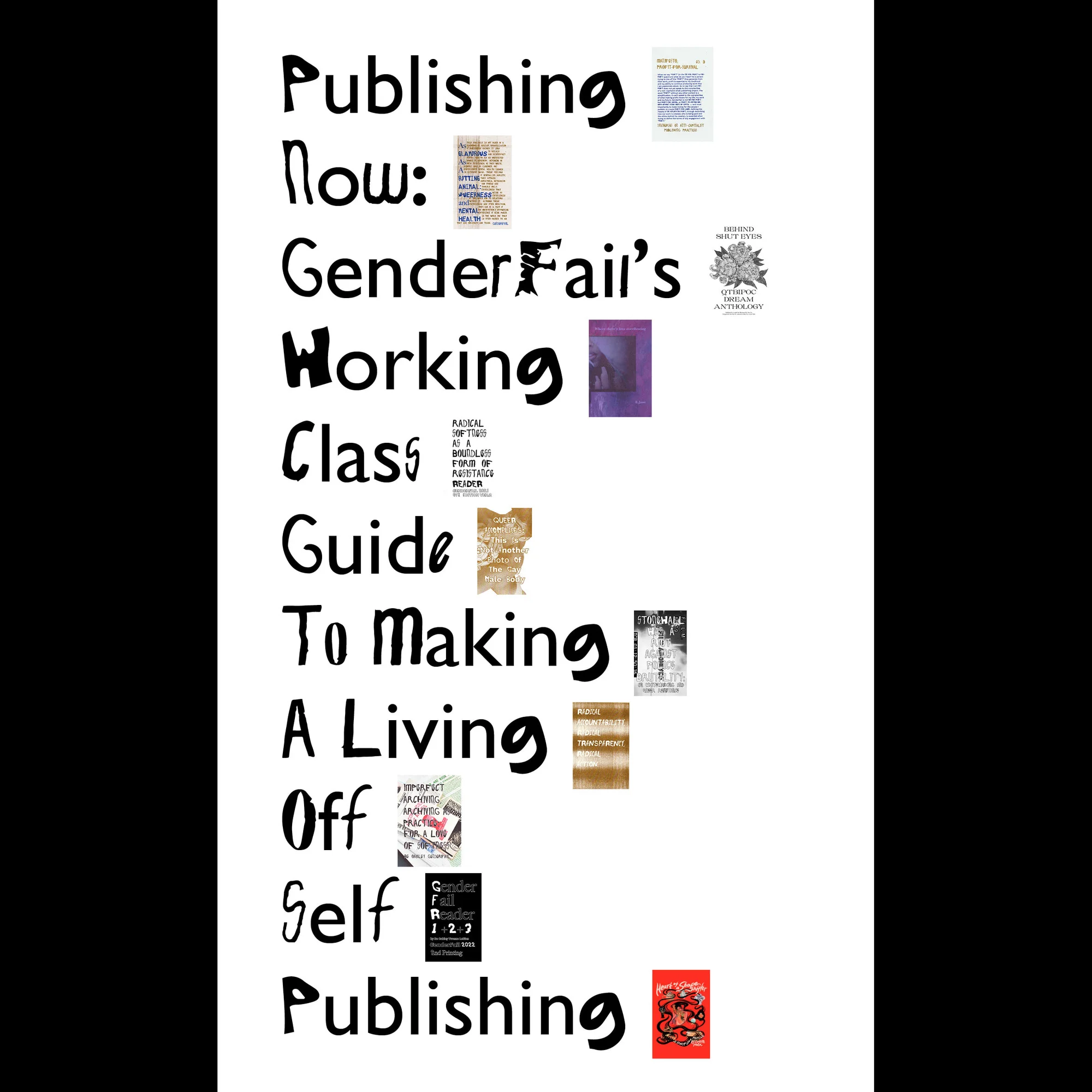
Publishing now: GenderFail’s working class guide to making a living off self publishing
Due June 9 (6 weeks)
Topics: Publishing, Editorial Design, Archiving
Learning Outcomes
- Explore the potential for publishing to create community
- Consider your responsibility as publishers and how you can platform and share ideas and individuals
- Define strategies for adapting an existing work into an original work
Requirements
- An artists "book" in any media (codex, poster(s), website, app, film, etc.) featuring or adapting another artists work
- Your work must consider your platform as an SNU student and our library at WHITE NOISE and how it can be used in a socially thoughtful way
Project Kickoff: Apr 21
Share project brief
Step 1: Due Apr 28
Create a short presentation about an artist/publication you are interested in working with, and share as a PDF or link on Kakaotalk.
Step 2: Due May 5
Select 1-2 works by your artist/author/ that you would like to adapt and create a proposal on how to do so. Share as a PDF or link on Kakaotalk.
Step 3: Due June 9
Share final artists publication in our P3: Temporary Library at WHITE NOISE
Schedule
Week 8 - APR 21
Project kickoff

Week 9 - APR 28
No-Class, Makeup date to be arranged
Step 1: artist research Due

Week 10 - MAY 5
No-Class, Makeup date to be arranged
Step 2: publication concepts due

Week 11 - MAY 12
Share publication progress

Week 12 - MAY 19
Make progress on publications
The Book Society Visit

Week 13 - MAY 26
Small group meetings

Week 14 - Jun 2
Penultimate draft of publication due

Week 15 - Jun 9
P3: Temporary Library Opening Event at WHITE NOISE
Reading
- All Printing Is Political: Fredy Perlman and the Detroit Printing Co-op
by Andrew Blauvelt - To Make Publicly Known: How Alternative Arts Initiatives Vernacularize through Publishing by Liu Chao-tze with translation by Joanna Lee
References
Works
- Alt Text as Poetry by Bojana Coklyat and Shannon Finnegan
- Banned Books Week 2020: What is Samizdat? Blog Post and Flash Talk by Judith Ward
- The Black Panther
- CAPSULE by Secret Riso Club
- the html review issue 1 by Maxwell Neely-Cohen and Shelby Wilson
- the html review issue 2 by Maxwell Neely-Cohen and Shelby Wilson
- Our Garden of Blues by Nancy and Semine
- special fish by Elliot Cost
- With and without a firm grasp — a Ramadan calendar by Inga and Shiraz Abdullahi Gallab